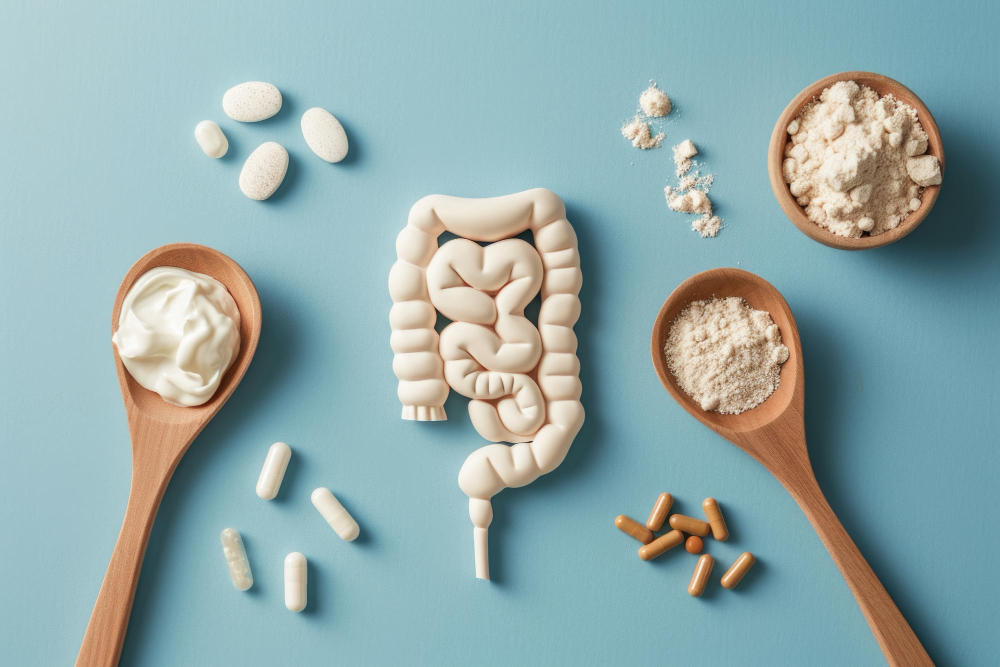
If you have ever read about gut health, you've probably come across the term’s prebiotics and probiotics. They sound quite similar, which is why many people get confused between them. But they are not the same.
What are probiotics?
Probiotics are live beneficial bacteria that support the natural balance of microorganisms in your gut. Your digestive system contains trillions of bacteria. Some are helpful while others can cause problems if they grow too much. Probiotics help increase the number of beneficial bacteria, which helps keep the digestive system functioning properly. They can improve addition and also help your body absorb nutrients that support the immune system. You can consume probiotics through fermented foods like yoghurt, kimchi, and miso.These foods naturally contain helpful bacteria that support gut health.
What are prebiotics?
Prebiotics are a type of dietary fibre that feeds the good bacteria already living in your digestive system. They differ from probiotics, as they are not bacteria themselves; instead, they help existing beneficial bacteria grow and remain active. Probiotics pass through the digestive system without being fully broken down. Common foods rich in prebiotics include bananas, onions, garlic, and apples.
The main difference
Probiotics are live good bacteria. Prebiotics are food for those bacteria. Probiotics add good bacteria to the gut. Prebiotics help these bacteria grow and function.
So, for a healthy digestive system, your body needs both prebiotics and probiotics. Together, they help maintain a balanced gut environment. Your gut bacteria are balanced, digestion improves, and the body can absorb nutrients
more effectively. Including a combination of fibre-rich foods and fermented foods in your daily diet is one of the best ways to naturally support gut health.