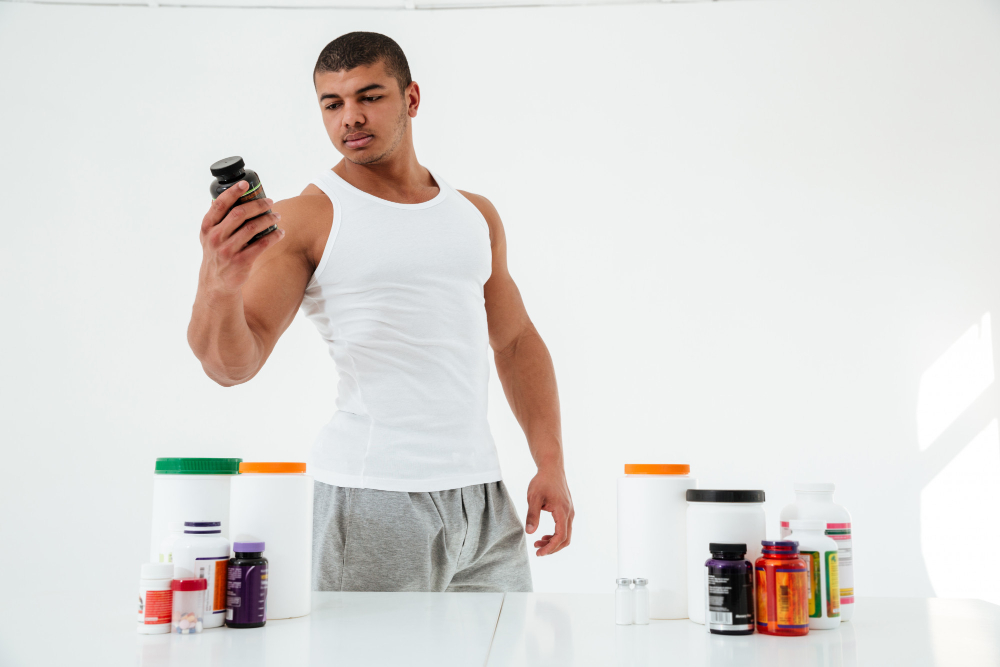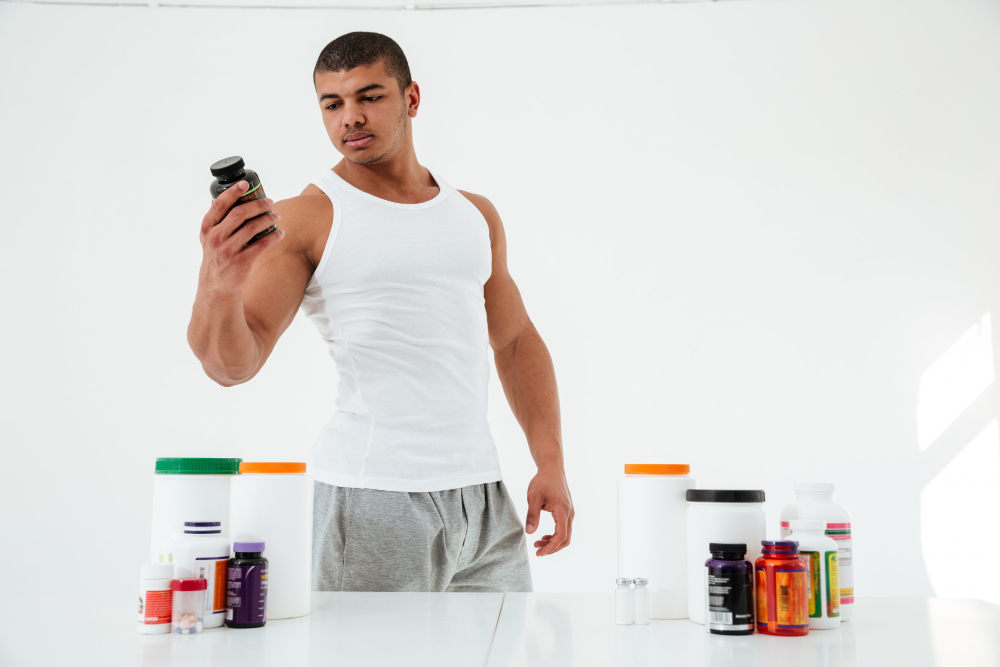
Choosing the Right Supplements to Support Your Fitness Goals

Walk into a pharmacy or browse a fitness store and you can quickly find yourself surrounded by protein powders, vitamins, minerals, pre-workout drinks, electrolytes and countless other supplements.

With so many choices, it can be tempting to assume that supplements are simply part of being fit.

But supplements are not a substitute for a balanced diet, adequate sleep or a well-planned exercise routine. The right choice depends on your fitness goal, diet, training routine and individual health needs.

Before adding a supplement to your routine, ask yourself a simple question: What do I actually need it for?

Start With Your Fitness Goal

Different goals may require different nutritional approaches.

You may be trying to:

  • Build or maintain muscle
  • Improve strength
  • Support endurance
  • Recover after exercise
  • Manage your weight
  • Correct a nutritional deficiency
  • Improve your overall nutritional intake

Identifying your goal first can help you avoid buying products simply because they are popular or heavily marketed.

Protein Supplements Are Not for Everyone

Protein is important for maintaining and building muscle, particularly when combined with resistance exercise.

But protein powder is not automatically necessary if you are already getting enough protein through food.

Protein can come from:

  • Milk and yoghurt
  • Eggs, if included in your diet
  • Pulses and beans
  • Soy and other legumes
  • Nuts and seeds
  • Fish, poultry or meat, depending on your diet

A protein supplement may be convenient if you struggle to meet your nutritional needs through food, but the amount required varies from person to person.

If you have kidney disease or another medical condition, discuss your protein intake with a healthcare professional before significantly increasing it.

Vitamins and Minerals Should Have a Reason

A common mistake is taking several vitamins simply because they are associated with energy, immunity, skin or fitness.

Supplements are most useful when they address a genuine nutritional need.

Certain people may be more likely to develop deficiencies because of their diet, health conditions, medications or stage of life.

Before starting a high-dose vitamin or mineral supplement, consider:

  • Whether you actually need it
  • Whether your diet already provides enough
  • Whether testing is appropriate
  • Whether it could interact with medicines you take
  • Whether the dose is suitable for you

More is not always better when it comes to vitamins and minerals.

Creatine Can Support Certain Fitness Goals

Creatine is one of the more extensively studied sports supplements and is commonly used by people involved in strength and high-intensity training.

It can support improvements in strength and exercise performance when combined with appropriate training.

However, it is not necessary for everyone who exercises.

If you are considering creatine, choose a reputable product and discuss its suitability with a healthcare professional if you have an underlying medical condition or take regular medication.

Electrolytes Depend on Your Activity

Electrolyte products are often marketed as essential for anyone who exercises.
In reality, most people doing moderate exercise do not necessarily need a specialised electrolyte drink.

Electrolytes may become more relevant when you are exercising for longer periods, particularly in hot or humid conditions, or losing substantial amounts of fluid through sweating.

For ordinary workouts, adequate hydration and a balanced diet are often sufficient.

Be Careful With Pre-Workout Supplements

Pre-workout products may contain combinations of caffeine, stimulants, amino acids and other ingredients designed to increase alertness or exercise performance.

They are not essential for a good workout.

If you are sensitive to caffeine, have difficulty sleeping, experience palpitations or have certain heart or blood pressure conditions, stimulant-containing products may not be appropriate.

Always check the ingredient list rather than relying only on the product’s marketing claims.

Check the Label Before You Buy

Supplements can vary considerably in their ingredients and doses.
Before purchasing one, look at:

  • The full ingredient list
  • The amount of each active ingredient
  • Recommended serving size
  • Expiry date
  • Manufacturer information
  • Any warnings or precautions
  • Whether the product is appropriate for your age and health needs

Be particularly cautious with products promising rapid fat loss, dramatic muscle gain or instant improvements in performance.

If a product sounds too good to be true, it deserves closer scrutiny.

Supplements Can Interact With Medicines

Natural does not always mean risk-free.

Some supplements can interact with prescription medicines or affect medical conditions. Certain vitamins and minerals can also become harmful when taken in excessive amounts.

Before starting a supplement, especially if you take regular medication, are pregnant or breastfeeding, have a chronic health condition or are preparing for surgery, discuss it with an appropriate healthcare professional.

Food Comes First

Supplements are exactly what their name suggests: they supplement the diet.
They cannot replace the basics of fitness:

  • A balanced diet
  • Adequate protein and other nutrients
  • Regular physical activity
  • Good-quality sleep
  • Adequate hydration
  • Appropriate recovery

If these foundations are missing, adding more supplements is unlikely to solve the problem.

Choose Based on Need, Not Trends

Fitness trends change quickly. A supplement that is popular today may not be necessary for your particular goal.

Before adding something new, consider your diet, training routine, health history and actual nutritional needs.

If you are unsure, a qualified healthcare or nutrition professional can help you determine whether a supplement is appropriate and what amount may be suitable.

The best supplement is not the one with the most impressive label. It is the one that has a clear purpose and fits your individual health and fitness needs.


How to Choose the Right Shampoo for Your Hair Concerns

Walk into any pharmacy, and you will find shampoos promising everything from stronger hair and less hair fall to a healthier scalp, more volume, and faster growth.

With so many choices, it is easy to pick a shampoo based simply on the label.

But the right shampoo should be chosen according to what your scalp and hair actually need.

A shampoo mainly cleanses the scalp and hair. Choosing the right formulation can help maintain scalp health, manage excess oil or dryness, and address certain common scalp concerns. But persistent hair or scalp problems may need more than a change in shampoo.

Start With Your Scalp, Not Just Your Hair

Your hair may be dry while your scalp is oily. Or your scalp may be sensitive even though your hair feels healthy.

Before choosing a shampoo, consider:

  • Is your scalp oily or dry?
  • Do you have visible flakes?
  • Does your scalp itch or feel irritated?
  • Is your hair dry, rough, or prone to breakage?
  • Do you have an oily scalp with dry ends?
  • Have you recently noticed increased hair shedding?

Understanding the scalp problem first makes it easier to choose a suitable product.

For an Oily Scalp

If your scalp becomes greasy quickly, you may need a shampoo that effectively removes excess oil and buildup without being unnecessarily harsh.

Look for formulations designed for oily scalps, and avoid applying heavy conditioners or oils directly to the scalp if they make it feel greasier.

How often you need to wash your hair depends on your scalp and lifestyle. People with oily scalps may need to wash more frequently than those with dry scalps.

For Dry or Sensitive Scalps

A dry scalp can feel tight, uncomfortable, or itchy, and harsh cleansing products may make the problem worse.

If your scalp tends to be dry or sensitive:

  • Choose a gentle shampoo.
  • Avoid very hot water.
  • Do not scrub the scalp aggressively.
  • Look for formulations designed for sensitive or dry scalps.
  • Avoid products that repeatedly cause burning or irritation.

If itching, redness, or scaling persists despite gentle care, it may not simply be dryness and should be evaluated.

When Dandruff Is the Problem

Dandruff is more than a few loose flakes.

If you regularly notice white or yellowish flakes along with an itchy or oily scalp, an anti-dandruff shampoo may be more appropriate than an ordinary cleansing shampoo.

Depending on the cause and severity, anti-dandruff formulations may contain ingredients such as:

  • Ketoconazole
  • Zinc pyrithione
  • Selenium sulfide
  • Salicylic acid

Different ingredients work in different ways, so follow the product instructions carefully.

If dandruff is severe, keeps returning, or is accompanied by significant redness, inflammation, or hair loss, speak with a dermatologist.

For Dry, Rough or Frizzy Hair

Sometimes the scalp is perfectly healthy while the hair itself feels dry, rough or difficult to manage.

In this situation, the goal is to cleanse without unnecessarily stripping moisture from the hair.

Look for:

  • Moisturizing or conditioning formulations
  • Ingredients designed to improve softness and manageability
  • A conditioner suitable for your hair type
  • Products that do not leave your hair feeling excessively dry after washing

Apply conditioner mainly to the lengths and ends, rather than the scalp, if your scalp gets oily easily.

Hair Fall Needs a Different Approach

This is where choosing shampoo requires some caution.

A shampoo can cleanse the scalp and may help manage certain scalp conditions, but not every type of hair loss is caused by a shampoo-related problem.

Hair shedding can be associated with factors such as:

  • Nutritional deficiencies
  • Hormonal changes
  • Stress
  • Illness
  • Certain medications
  • Thyroid problems
  • Scalp conditions
  • Hereditary hair loss

If you are experiencing sudden, excessive, or persistent hair loss, repeatedly changing shampoos may delay identifying the actual cause.

A dermatologist can assess the pattern of hair loss and determine whether further evaluation is needed.

Read the Label Before You Buy

A shampoo that works well for someone else may not be right for you.

Before choosing one, check:

  • The hair or scalp concern it is designed for
  • Key active ingredients
  • Directions for use
  • Whether it is suitable for frequent use
  • Expiry date
  • Any ingredients you already know irritate your scalp

Be cautious about products that promise dramatic hair growth or claim to solve several unrelated hair problems at once.

More Shampoo Does Not Mean Cleaner Hair

Using a large amount of shampoo or washing aggressively does not necessarily make the scalp healthier.

A small amount applied mainly to the scalp is often enough to cleanse effectively. Massage gently with your fingertips rather than scratching with your nails.

Rinse thoroughly, and use conditioner according to your hair type.

Your hair does not need to feel “squeaky clean” to be clean.

When Shampoo Is Not Enough

A change in shampoo may help with a simple scalp or hair-care concern, but persistent symptoms deserve more attention.

Consider speaking with a dermatologist if you notice:

  • Persistent itching or redness
  • Thick or recurring scalp scaling
  • Painful bumps or sores
  • Sudden or significant hair loss
  • Bald patches
  • Repeated scalp infections
  • Hair changes that continue despite appropriate care

The right diagnosis is often more important than finding another product.

Choose for Your Need, Not the Promise on the Bottle

There is no single shampoo that is best for everyone.

The right choice depends on your scalp, hair type, and the specific concern you are trying to manage. A shampoo for an oily scalp is not necessarily the right choice for a dry, sensitive scalp, and a shampoo cannot address every cause of hair loss.

Start by understanding the problem, choose products accordingly, and give your scalp time to respond.

Healthy hair care begins at the scalp. Choosing the right shampoo is a small step, but choosing it for the right reason can make a meaningful difference.

OTC Medicines: When Self-Care Isn’t Enough

Many everyday health problems, such as a mild headache, occasional acidity, allergies, or a minor fever, can sometimes be managed with over-the-counter (OTC) medicines.

Because these medicines are easy to buy, it can be tempting to assume they are always safe. But OTC medicines can still cause side effects, interact with other medicines, and may not be suitable for everyone. Using them correctly means knowing not only what to take, but also when to stop self-treating and ask a healthcare professional.

What Does OTC Actually Mean?

OTC medicines are products that can be purchased without a prescription for certain common health concerns.

They can be useful when taken as directed, but “without a prescription” does not mean that a medicine has no risks.

The right choice can depend on your age, other medicines you take, existing health conditions, allergies, and the symptoms you are experiencing.

Read the Label Before You Take It

It may seem obvious, but checking the label is one of the simplest ways to avoid medication mistakes.

Before taking an OTC medicine, check:

  • The active ingredients
  • The recommended dose
  • How often it can be taken
  • Warnings and precautions
  • Possible side effects
  • The expiry date

Also check whether another medicine you are taking contains the same active ingredient. This is particularly important with cold, flu and pain-relief products, which may contain more than one ingredient. Taking two products with the same ingredient can accidentally result in taking too much.

More Medicine Does Not Mean Faster Relief

Taking an extra dose because a medicine has not worked quickly can be dangerous.

For example, taking too much paracetamol can cause serious liver damage, while excessive or prolonged use of some anti-inflammatory pain medicines can increase the risk of stomach bleeding and kidney problems.

Always follow the recommended dose on the label or the advice given by your healthcare professional.

Some Medicines Need Extra Caution

An OTC medicine that is suitable for one person may not be appropriate for another.

Speak with a doctor or pharmacist before using certain OTC medicines if you:

  • Are pregnant or breastfeeding
  • Are giving medicine to a child
  • Are an older adult
  • Have kidney, liver, heart or stomach problems
  • Take regular prescription medicines
  • Take vitamins, herbal products or other supplements
  • Have previously had an allergic reaction to a medicine

Sharing these details with your pharmacist can help them recommend an option that is appropriate for you.

Watch Out for Medicine Interactions

Taking several medicines together can sometimes change how they work or increase the risk of side effects.

This can happen even when one of the medicines is available without a prescription.

For example, some pain medicines can increase the risk of bleeding, while combining different products containing the same ingredient can lead to an excessive dose.

If you take regular medication, it is worth checking with your pharmacist before adding a new OTC product. Tell them about your prescription medicines, supplements and herbal products too.

Do Not Keep Treating the Same Symptom

OTC medicines are generally intended for short-term relief of minor problems. They should not become a way of repeatedly covering up a symptom without finding out why it keeps happening.

If you keep needing an antacid for acidity, pain medicine for recurring headaches, or another OTC product for the same problem, it may be time to speak with a doctor.

Persistent or recurring symptoms may need a proper evaluation rather than repeated self-treatment.

Know When to Ask a Doctor First

There are situations where self-care is not the right approach.

Seek medical advice if:

  • Your symptoms are severe or getting worse
  • A problem keeps returning
  • Symptoms do not improve as expected
  • You need an OTC medicine repeatedly
  • You develop an unusual or significant side effect
  • You are unsure whether a medicine is suitable for you
  • You are taking several medicines at the same time

Some symptoms require urgent medical attention rather than an OTC medicine. Severe chest pain, difficulty breathing, fainting, sudden weakness or confusion, severe allergic reactions, or significant bleeding should not be managed at home with self-medication.

Your Pharmacist Can Help You Choose Safely

You do not have to figure out every OTC medicine on your own.

A pharmacist can help you understand what a medicine is for, how it should be taken, whether it may interact with something else you are using, and when you should seek medical advice.

This is particularly useful when you are already taking other medicines or have an existing health condition. Asking a question before taking a medicine can sometimes prevent a problem later.

Use OTC Medicines With Care

OTC medicines can be useful for everyday health concerns, but they are not risk-free. The safest approach is simple: read the label, use the recommended dose, check for possible interactions, and do not keep treating a problem that is not improving.

If you are unsure whether an OTC medicine is right for you, ask your pharmacist or doctor before taking it.

When Should You Take Vitamins and Supplements?

If you take vitamins or other supplements, you may have wondered whether it is better to take them in the morning, at night, or with a meal. The answer is that there is no single best time for every vitamin.

Some vitamins are absorbed better with food, while others may need to be taken separately from certain medicines or supplements. What matters most is taking the right supplement in the right amount and following the instructions given by your doctor or pharmacist, or as directed on the product label.

Here is a simple guide to help you understand when different vitamins and supplements are commonly taken.

1. Multivitamins: After Breakfast Can Be Convenient

If you take a daily multivitamin, breakfast can be an easy time to include it in your routine.

Many multivitamins contain several vitamins and minerals, and taking them after a meal may be easier on the stomach. Taking them at the same time each day can also make them easier to remember.

However, formulations vary, so always follow the instructions for your particular product.

2. Vitamin D: Take It With a Meal

Vitamin D is a fat-soluble vitamin, which means your body absorbs it better when taken with a meal or snack containing some fat.

So rather than focusing only on morning or night, focus on taking it with a proper meal. Breakfast or lunch can be convenient choices for many people.

If your doctor has prescribed vitamin D for a deficiency, follow the recommended dose and schedule.

3. Vitamin B12: Choose a Time You Can Remember

Vitamin B12 can generally be taken with or without food, depending on the product and your doctor’s advice.

If you are taking a B12 supplement regularly, choosing a consistent time can make it easier to remember. Some people prefer taking it after breakfast or lunch as part of their daily routine.

However, feeling tired does not automatically mean you need a B12 supplement. If you suspect a deficiency, speak with a healthcare professional.

4. Vitamin C: With or Without Food

Vitamin C does not require a particular time of day for most people.

It can generally be taken with or without food. If it causes stomach discomfort when taken on an empty stomach, taking it with a meal may be more comfortable.

Remember that fruits and vegetables are also excellent sources of vitamin C, so a supplement is not automatically necessary for everyone.

5. Calcium: Check Which Type You Take

The type of calcium supplement you take can affect when you should take it.

Calcium carbonate is best absorbed when taken with food, while calcium citrate can be taken with or without food. Calcium is also absorbed better in smaller amounts than in a single very large dose.

If you take calcium, check which form your supplement contains and follow the label instructions or your healthcare professional’s advice.

6. Iron: Timing Matters

Iron is one supplement where timing can make a difference.

It is generally absorbed best on an empty stomach, but it can cause nausea or stomach discomfort. If this happens, your doctor may advise you to take it with food.

Tea and coffee can reduce iron absorption, while vitamin C can help the body absorb iron. Calcium can also interfere with iron absorption, so the two are generally better taken at different times.

If iron has been prescribed for you, follow the schedule recommended by your doctor.

7. Taking Several Supplements? Check Before Combining Them

More supplements do not necessarily mean more benefits.

Some vitamins and minerals can affect the absorption of others, while certain supplements can also interact with medicines. For example, iron and calcium are generally better taken separately.

If you take several supplements or regular medicines, ask your doctor or pharmacist how to space them safely rather than creating your own schedule.

8. Consistency May Matter More Than the Clock

For many supplements, there is no major advantage to choosing a particular time of day.

A routine you can follow consistently may be more useful than trying to find a perfect time. For example, taking a supplement after breakfast every day may be easier to remember than taking it at a different time each day.

Choose a routine that fits naturally into your day, while following any specific instructions that come with your supplement.

Do You Need Vitamins Every Day?

Not necessarily. Keep these points in mind:

  • A balanced diet may provide many of the vitamins and minerals your body needs.
  • Supplements are not necessary for everyone. They may be recommended when there is a confirmed deficiency, increased nutritional requirement, or another medical reason.
  • More is not always better. Taking excessive amounts of certain vitamins and minerals can cause health problems.
  • Check whether you actually need a supplement before starting one, especially if you are already taking medicines or other supplements.
  • There is no universal morning-or-night rule. The right time depends on the vitamin, the type of supplement, what you eat with it and any medicines you take.
  • Follow the instructions on your supplement and ask your doctor or pharmacist if you are unsure about when or how to take it.

The right supplement, in the right amount and for the right reason, matters more than taking it at a particular time of day.

Skincare Essentials: Choosing the Right Products for Healthy, Glowing Skin

Walk into a pharmacy or browse online for skincare products, and you can quickly feel overwhelmed. Cleansers, toners, serums, moisturizers, exfoliators, sunscreens, face masks, oils…the choices seem endless.

But healthy skin does not necessarily need a complicated routine.

The right skincare products are those that suit your skin type, address your specific concerns, and support your skin’s natural barrier. Before adding another product to your shelf, it helps to understand what your skin really needs.

Start by Understanding Your Skin Type

Your skin type is one of the first things to consider when choosing personal care products.

You may have:

  • Oily skin: Your skin may look shiny, feel greasy, and be more prone to breakouts.
  • Dry skin: Your skin may feel tight, rough, flaky or uncomfortable.
  • Combination skin: Some areas, often the forehead, nose and chin, may be oily while the cheeks feel drier.
  • Sensitive skin: Your skin may react easily with redness, itching, burning, or irritation.

Knowing your skin type can help you avoid products that are too drying, too heavy or otherwise unsuitable for your skin.

Keep Your Everyday Routine Simple

More products do not necessarily mean healthier skin.

A basic routine can often begin with three essentials:

  • A gentle cleanser
  • A moisturizer suited to your skin
  • A broad-spectrum sunscreen during the day

Once these basics are established, other products can be considered for specific concerns.

A simple routine that you follow consistently is generally more useful than a complicated routine that constantly changes.

Choose a Cleanser That Does Not Strip Your Skin

Cleansing helps remove sweat, excess oil, dirt, and other impurities from the skin.

But stronger does not always mean better.

If a cleanser leaves your skin feeling very tight or uncomfortable after washing, it may be too harsh for you. Dry or sensitive skin may benefit from gentle, fragrance-free or hydrating formulations, while oily or acne-prone skin may require a cleanser suited to excess oil and clogged pores.

Avoid repeatedly washing your face simply because it feels oily. Over-cleansing can disturb the skin barrier and may leave the skin irritated or excessively dry.

Moisturizer Is for Every Skin Type

People with oily or acne-prone skin sometimes avoid moisturizers because they worry about making their skin more greasy.

But moisturizing helps maintain the skin barrier and prevent excessive dryness.

Look for products according to your skin’s needs:

  • Lightweight, gel-based or non-comedogenic moisturizers for oily or acne-prone skin
  • Richer creams for dry skin
  • Fragrance-free and gentle formulations for sensitive skin
  • Ingredients such as ceramides, glycerin, or hyaluronic acid for hydration and barrier support

The goal is not to make your skin feel oily. It is to keep it comfortably hydrated.

Make Sun Protection a Daily Habit

Sunscreen is not only for beach days or summer holidays.

Daily exposure to ultraviolet radiation can contribute to sunburn, premature skin aging, pigmentation, and skin damage. A broad-spectrum sunscreen with SPF 30 or higher is a useful part of daytime skincare.

When choosing one, consider your skin type and lifestyle. If you have oily or acne-prone skin, a lightweight, non-comedogenic formulation may feel more comfortable.

And remember that sunscreen works best when applied properly and reapplied as needed, especially during prolonged outdoor exposure.

Be Careful With Active Ingredients

Serums and treatments can be useful when chosen for a specific concern, such as acne, pigmentation, or signs of aging.

But adding several active ingredients at once can make it difficult to know which are helping and which are causing irritation.

A better approach is to:

  • Introduce one new active product at a time.
  • Follow the recommended frequency.
  • Patch test when appropriate.
  • Stop if you develop significant irritation.
  • Avoid combining multiple strong treatments without professional guidance.

If you have persistent acne, pigmentation, rashes, or another skin concern, it is better to understand the cause rather than continuously changing products.

Read the Label Before You Buy

A beautiful package or a popular ingredient does not automatically make a product right for you.

Before purchasing, look at:

  • The intended skin type
  • Active ingredients
  • Fragrance and other ingredients if you have sensitive skin
  • Expiry date
  • Usage instructions
  • Whether the product is non-comedogenic when that is important for you

Also be cautious about products promising extremely quick or dramatic results. Healthy skin usually responds better to a consistent, gentle routine than to aggressive treatments.

Your Skin Can Reflect More Than Your Skincare Routine

Skincare is important, but skin health is not determined by creams and cleansers alone.

Sleep, nutrition, hydration, stress, sun exposure, and certain health conditions can all influence how your skin looks and feels.

Persistent changes such as unusual dryness, recurring rashes, unexplained pigmentation, excessive hair loss, or slow wound healing may sometimes need medical evaluation rather than another cosmetic product.

Nutritional deficiencies can also have broader effects on health. Testing for deficiencies in vitamins B12 or D may be appropriate in certain situations. Still, supplements should ideally be taken when a deficiency or need has been identified rather than simply because a product promises better skin.

Healthy Skin Does Not Need a Shelf Full of Products

The skincare aisle can make it tempting to keep adding one more serum, one more cream, or one more treatment.

But your skin may need less than you think.

Understand your skin type. Cleanse gently. Moisturize appropriately. Protect your skin from the sun. Introduce targeted products thoughtfully and give them time to work.

And when a skin concern persists or keeps returning, consider speaking with a dermatologist instead of continually changing products.

Clear, healthy-looking skin is not about having the longest skincare routine. It is about consistently giving your skin the right care.

How to Choose the Right Skincare Products for Your Skin Type

Your skin does not need a long list of products to look healthy. But choosing products that suit your skin type, concerns, and daily routine can make a real difference.

With so many cleansers, moisturizers, serums, sunscreens, and treatments available, it can be difficult to know what you actually need. A simple routine built around the right products is often a better place to start.

Start With Your Skin Type

Before choosing a product, understand how your skin usually behaves.

  • Dry skin may feel tight, rough, or flaky and may benefit from richer moisturizing products.
  • Oily skin may look shiny and be more prone to clogged pores. Lightweight, non-comedogenic products may be more suitable.
  • Combination skin may be oily in some areas and dry in others.
  • Sensitive skin may react easily to fragrances, certain ingredients, or new products.

Your skin can also change with weather, age, hormones, and other factors, so the products that worked well for you before may not always be the right choice.

Choose a Gentle Cleanser

Cleansing helps remove sweat, oil, dirt, and sunscreen from the skin.

Look for a cleanser that cleans without leaving your skin feeling excessively dry or tight. If your skin is sensitive or dry, a gentle, fragrance-free option may be more comfortable.

You do not need to scrub your face aggressively to get it clean. Over-cleansing or harsh scrubbing can irritate the skin.

Do Not Skip Moisturizer

Moisturizer is useful even if you have oily skin.

A suitable moisturizer helps maintain the skin barrier and can reduce dryness and discomfort. If you have oily or acne-prone skin, look for lightweight, non-comedogenic formulations. Dry skin may benefit from a richer cream.

Apply moisturizer after cleansing, particularly when your skin is slightly damp.

Make Sunscreen a Daily Habit

If there is one skincare product that deserves a regular place in your routine, it is sunscreen.

Sun exposure can contribute to premature skin aging and increase the risk of skin cancer. Choose a broad-spectrum sunscreen with an SPF of 30 or higher and apply it to exposed skin when you are going outdoors.

Remember to reapply as needed, particularly after sweating or swimming.

Sunscreen is not only for beach days. Everyday exposure adds up too.

Be Careful With Active Ingredients

Products containing ingredients such as salicylic acid, retinoids, vitamin C, or other active ingredients can be useful for specific skin concerns. But more active ingredients do not necessarily mean better results.

Using several strong products together can sometimes cause dryness, irritation, or sensitivity.

If you are introducing a new active ingredient, start gradually and follow the product instructions. If you have a skin condition or are unsure which ingredient is appropriate, speak with a dermatologist or pharmacist.

Fragrance-Free May Be Better for Sensitive Skin

Fragrance can make a product smell pleasant, but it can also irritate some people’s skin.

If you have sensitive skin, redness, or frequent irritation, consider choosing fragrance-free products and introducing new products one at a time.

If a product causes burning, swelling, significant redness, or a rash, stop using it and seek medical advice if the reaction is severe or does not settle.

Do Not Choose Products Only Because They Are Trending

A product that works well for someone else may not work the same way for you.

Social media trends can make certain ingredients or products seem essential, but skincare is not one-size-fits-all. Consider your skin type, the concern you are trying to address, and the ingredients in the product before adding it to your routine.

You also do not need an expensive product to have a good skincare routine.

Keep Your Routine Simple

For many people, a basic routine can include:

Morning

  • Gentle cleanser
  • Moisturiser
  • Sunscreen

Night

  • Gentle cleanser
  • Treatment product, if needed
  • Moisturiser

You can add products based on a specific concern, but there is no need to use several products simply because they are available.

Check the Label Before You Buy

Take a moment to read the product label before adding anything to your skincare routine.

Check the ingredients, directions for use, expiry date, and any warnings. If you have known allergies or sensitive skin, pay particular attention to the ingredients.

If you are already using prescription skin treatments, check with your doctor or pharmacist before adding new active products.

When Skincare Needs Professional Advice

Not every skin concern can be solved with an over-the-counter product.

Persistent acne, severe dryness, recurring rashes, unexplained pigmentation, swelling, painful skin, or a reaction that does not improve may need professional evaluation.

Instead of continuing to try different products, identifying the cause of the problem can help you choose the right treatment.

Healthy Skin Is About More Than Products

Good skincare is not about having the biggest collection of products. It is about choosing what your skin actually needs and using it consistently.

A gentle cleanser, suitable moisturizer, and daily sunscreen can form the foundation of a simple routine. From there, additional products can be chosen based on your individual concerns.

The best skincare routine is not the one with the most products. It is the one that suits your skin and that you can follow every day.

Pregnancy Hospital Bag Checklist: What to Pack for You and Your Baby

Packing a hospital bag can make the final weeks of pregnancy feel a little more organized. You do not need to pack everything you own, but having a few essentials ready for yourself, your baby and your birth partner can make the hospital stay more comfortable.
It is a good idea to check with your hospital about what they provide and what they expect you to bring, as requirements can differ. Many maternity services suggest having the bag ready by around 35 to 37 weeks, or earlier if your doctor advises it.

Keep Your Important Documents Together

Start with the things you may need when you arrive at the hospital:

  • Pregnancy and medical records
  • Identification and hospital documents
  • Birth plan, if you have one
  • Details of your doctor or maternity team
  • Relevant insurance or admission documents
  • A list of medicines and supplements you currently take

Keep these somewhere easily accessible rather than buried at the bottom of the bag.

Pack Comfortable Clothes for Yourself

Comfort matters during labor and after delivery.

Consider packing:

  • Loose, comfortable clothes
  • Nightwear, preferably front-opening if you plan to breastfeed
  • Comfortable underwear or disposable underwear
  • Nursing or feeding bras
  • Socks
  • Slippers or easy-to-wear footwear
  • A light dressing gown
  • Comfortable clothes for going home

You may also want to pack breast pads and maternity pads, particularly if your hospital does not provide them.

Do Not Forget Your Toiletries

A few familiar personal-care items can make your stay more comfortable.

Pack basics such as:

  • Toothbrush and toothpaste
  • Soap or body wash
  • Shampoo
  • Hairbrush and hair ties
  • Lip balm
  • Deodorant
  • Face wash or other personal-care products you normally use
  • Towels, if your hospital does not provide them

You do not need to pack your entire bathroom. Take the things you know you will actually use.

Keep Your Regular Medicines With You

If you take prescribed medicines regularly, make sure they are included in your hospital bag.
Do not stop, restart, or change your medicines on your own. Let your healthcare team know what you take, including vitamins and supplements.

It can also help to keep medicines in their original packaging so they can be identified easily.

Think About Feeding and Post-Delivery Comfort

If you plan to breastfeed, front-opening nightwear, nursing bras and breast pads can be useful.

A water bottle can also be helpful during your stay. Your hospital may provide certain post-delivery supplies, so check before buying or packing large quantities.

Pack a Few Essentials for Your Baby

Your baby’s bag can be kept simple.
Consider packing:

  • Newborn-sized clothes or bodysuits
  • Vests or sleepsuits
  • A hat
  • Socks or booties
  • Mittens, if needed
  • Nappies
  • Cotton wool or suitable wipes
  • Muslin cloths
  • A blanket or shawl
  • An outfit for going home

Choose clothes according to the weather and your baby’s expected needs.

Do Not Forget the Car Seat

If you are traveling home by car, have an appropriate infant car seat ready and make sure it is installed correctly before you need it.

It is better to sort this out before labor begins rather than trying to figure it out on the day you are discharged.

Your Birth Partner Needs a Few Things Too

The person accompanying you may be at the hospital for several hours or longer, so they should have a few essentials of their own.
A small bag can include:

  • Comfortable clothes
  • Phone and charger
  • Toiletries
  • Any regular medicines
  • Water and snacks
  • Spare glasses or contact lenses, if needed

Having their own essentials ready means they can focus more on supporting you.

A Few Small Things That Can Make the Stay Easier

Depending on your preferences and hospital rules, you may also want:

  • A long charging cable or power bank
  • Headphones
  • An eye mask
  • A small pillow
  • A book or something to help you relax
  • A separate bag for used clothes

These are optional. Your hospital bag should make things easier, not become another source of stress.

Before You Zip the Bag

Check with your hospital before packing large quantities of medicines, baby products or other supplies. Some hospitals provide items such as maternity pads, baby nappies or toiletries, while others may ask you to bring your own.

It can also help to divide your things into smaller sections or separate bags, such as documents, labor essentials, post-delivery items and baby essentials. This makes it easier to find what you need when you are tired or in a hurry.

Packing your hospital bag is not about being prepared for every possible situation. It is simply about having the essentials within reach when you need them.

Pack what you need, check what your hospital provides, and keep the bag somewhere easy to grab. A little preparation can make those final weeks feel much more manageable.

10 OTC Medicines and Health Essentials to Keep at Home

A small home medicine cabinet can be surprisingly useful. A headache, mild fever, acidity, an upset stomach, or a minor cut can happen at any time. Having a few basic medicines and first-aid essentials at home can help you manage minor health concerns when they arise.
But keeping medicines at home is not about stocking up on everything. OTC medicines are meant for common, usually short-term concerns, and they are not suitable for everyone. Always check the label and ask a pharmacist if you are unsure what is appropriate for you.
Here are some useful medicines and health essentials to consider keeping at home.

1. Paracetamol for Fever and Common Aches

Paracetamol is commonly used for fever and mild to moderate pain, including headaches and body aches.
If you keep it at home, check the strength and recommended dose on the label before taking it. Also check the ingredients of other cold and flu medicines you may be using, as some may already contain paracetamol. Taking more than the recommended amount can be harmful.

2. An Antacid for Occasional Acidity

Heartburn, acidity, and indigestion can sometimes follow a heavy meal or certain foods. An appropriate antacid may provide temporary relief from occasional symptoms.
However, frequent acidity should not simply be treated with an antacid repeatedly. If symptoms keep returning or are accompanied by difficulty swallowing, persistent vomiting, unexplained weight loss, or severe discomfort, speak with a doctor.

3. Oral Rehydration Solution for Dehydration

ORS can be useful when the body loses fluids and salts, particularly during diarrhea or vomiting.
Keep a few ORS sachets at home and prepare them exactly according to the instructions on the packet. Using the correct amount of water is important.
If vomiting or diarrhea is severe, persistent or accompanied by signs of significant dehydration, seek medical care.

4. An Antihistamine for Occasional Allergies

An appropriate antihistamine may help relieve symptoms such as sneezing, a runny nose or itching caused by certain allergies.
Some antihistamines can cause drowsiness and may not be suitable for everyone. Check the label and speak with a pharmacist if you take other medicines or have an existing health condition.

5. Lozenges for a Sore Throat

Sore throat lozenges can provide temporary relief from throat irritation and discomfort.
They do not treat every cause of a sore throat, so pay attention to how long your symptoms last. A persistent sore throat, high fever, difficulty swallowing or breathing, or worsening symptoms may require medical attention.

6. Saline Nasal Spray

A saline nasal spray can be useful when your nose feels dry, blocked, or irritated.
It can help keep the nasal passages moist and may provide relief from congestion. Plain saline sprays differ from medicated decongestant sprays, so check the product label before using it.
If nasal blockage continues or keeps returning, it is better to find out what is causing it rather than relying on sprays for long periods.

7. Basic First-Aid Supplies for Minor Cuts and Scrapes

A home healthcare kit should contain more than medicines.
Keep a few essentials such as:

  • Adhesive bandages
  • Sterile gauze
  • Medical tape
  • Antiseptic solution or wipes
  • Disposable gloves
  • Scissors and tweezers

These can be useful for dealing with minor cuts and scrapes at home. A basic first-aid kit is also recommended as part of home preparedness.
For deep wounds, heavy bleeding, serious burns or animal bites, seek medical attention rather than relying on a home first-aid kit.

8. Calamine Lotion for Minor Skin Irritation

Calamine lotion can provide temporary relief from mild itching and skin irritation, including discomfort caused by insect bites or prickly heat.
It is meant for external use. If a rash spreads quickly, becomes painful, is accompanied by fever, or does not improve, it is better to have it checked by a healthcare professional.

9. Isabgol for Better Bowel Regularity

Isabgol, also known as psyllium husk, is a source of dietary fiber that can help support regular bowel movements. It absorbs water in the digestive tract and adds bulk to the stool, which can make bowel movements easier.
If you use it, take it with plenty of water and follow the instructions on the product. Persistent constipation, severe abdominal pain, vomiting, blood in the stool or unexplained weight loss should not be managed at home without medical advice.

10. A Thermometer

A thermometer may not be a medicine, but it is one of the most useful things to keep in a home healthcare kit.
If someone feels feverish, checking their temperature gives you more useful information than simply feeling their forehead. Keep a reliable digital thermometer somewhere easy to find, and check that it is working properly from time to time. Mayo Clinic also includes a thermometer among basic home first-aid essentials.
Before You Take an OTC Medicine
Having medicines at home is useful. Knowing how to use them safely is even more important.
Before taking an OTC medicine:

  • Read the label and follow the recommended dose.
  • Check the expiry date.
  • Check the active ingredients, especially when taking more than one medicine.
  • Do not assume a medicine is safe simply because it is available without a prescription.
  • Ask a pharmacist or doctor if you take regular medicines or have an existing health condition.
  • Keep medicines away from children and store them as directed.
  • Never use someone else’s prescription medicine.

It is also a good idea to check your medicine cabinet regularly and replace medicines and first-aid supplies that have expired or been used.

You do not need a medicine cabinet full of products. Keep a few useful essentials at home, know what each one is meant for, and use them carefully when needed. For anything persistent, severe, or unusual, getting the right medical advice is always better than continuing to self-treat.

A Simple 4-Step Skincare Routine for Healthy, Glowing Skin

Healthy, glowing skin isn’t about following complicated beauty trends or using dozens of skincare products. Instead, it comes down to understanding your skin’s needs and following a simple routine consistently. Whether you have dry, oily, combination, or sensitive skin, the right skincare habits can help keep your skin healthy, hydrated, and protected from everyday environmental damage.

Building an effective skincare routine doesn’t have to be overwhelming. By focusing on four essential steps, you can support your skin’s natural barrier, maintain its moisture balance, and promote a healthy glow over time.

Step 1: Cleanse Your Skin Gently

Cleansing is the foundation of every skincare routine. Throughout the day, your skin collects dirt, excess oil, sweat, makeup, sunscreen, and environmental pollutants. A gentle cleanser removes these impurities without disrupting the skin’s natural protective barrier.

When selecting a cleanser, choose one that suits your skin type:

  • Oily or acne-prone skin: Gel-based or salicylic acid cleansers may help control excess oil.
  • Dry skin: Cream-based or hydrating cleansers help retain moisture while cleansing.
  • Sensitive skin: Fragrance-free, mild cleansers help minimize irritation.

Cleanse your face twice a day—once in the morning and again before going to bed. Avoid harsh soaps or excessive scrubbing, as these can leave the skin feeling dry and irritated.

Step 2: Moisturize to Keep Skin Hydrated

Moisturizing is an important step for every skin type, not just dry skin. A good moisturizer helps strengthen the skin barrier, prevents moisture loss, and keeps the skin soft and comfortable throughout the day.

Choose a moisturizer based on your skin’s needs:

  • Lightweight, non-comedogenic formulations work well for oily or combination skin.
  • Richer creams may be more suitable for dry skin.
  • Fragrance-free moisturizers are often a good choice for sensitive skin.

Ingredients such as hyaluronic acid, ceramides, glycerin, and niacinamide can help support hydration and improve the skin’s natural barrier. For best results, apply moisturizer immediately after cleansing while the skin is still slightly damp.

Step 3: Protect Your Skin with Sunscreen

Sunscreen is one of the most effective ways to protect your skin from long-term damage. Daily exposure to ultraviolet (UV) rays contributes to tanning, pigmentation, premature aging, and increases the risk of skin cancer, even on cloudy days or while indoors near windows; your skin is exposed to UV radiation.

To protect your skin:

  • Choose a broad-spectrum sunscreen with SPF 30 or higher.
  • Apply it every morning as the final step of your skincare routine.
  • Reapply every two to three hours if you spend extended periods outdoors or are sweating.

Consistent sunscreen use helps preserve your skin’s health and natural glow while reducing the effects of sun damage over time.

Step 4: Support Healthy Skin with Everyday Habits

Skincare products work best when paired with healthy daily habits. Your lifestyle plays an important role in maintaining healthy skin and enhancing the benefits of your skincare routine.

Simple habits that support skin health include:

  • Drinking enough water throughout the day.
  • Eating a balanced diet rich in fruits, vegetables, whole grains, and healthy fats.
  • Getting adequate sleep every night.
  • Managing stress through regular physical activity or relaxation techniques.
  • Avoiding smoking and limiting excessive alcohol consumption.

These everyday choices help nourish your skin from within and contribute to a healthier complexion over time.

Consistency Is the Key to Healthy Skin

Healthy skin doesn’t require an elaborate routine or expensive products. A gentle cleanser, an appropriate moisturizer, daily sunscreen, and healthy lifestyle habits form the foundation of effective skincare for most people.

As your skin’s needs change with age, weather, or specific concerns, you can consult a dermatologist or pharmacist for personalized product recommendations. By keeping your routine simple and staying consistent, you can protect your skin, strengthen its natural barrier, and enjoy healthy, glowing skin every day.

Monsoon Personal Care: 5 Essentials for Healthy Skin and Everyday Hygiene

The monsoon brings cooler weather and much-needed relief from the summer heat, but it also creates conditions that can affect your skin and overall hygiene. Increased humidity, frequent exposure to rainwater, damp clothing, and excessive sweating can contribute to fungal infections, body odor, acne breakouts, and mosquito bites. Adapting your personal care routine to the season can help you stay fresh, comfortable, and protected.

Here are five personal care essentials that deserve a place in your monsoon wellness kit.

1. Antifungal Cleansers or Medicated Soaps

Warm and humid weather creates the ideal environment for fungal infections, particularly in areas such as the feet, underarms, groin, and skin folds. Using an antifungal cleanser or medicated soap as advised by a healthcare professional can help maintain skin hygiene and reduce the risk of common fungal infections.

When choosing a cleanser, look for products that:

  • Gently cleanse the skin without causing excessive dryness.
  • Help maintain good skin hygiene.
  • Are suitable for humid weather conditions

If you notice persistent itching, redness, or rashes, avoid using over-the-counter steroid creams without medical advice and consult a healthcare professional.

2. Dusting Powder to Keep Skin Dry

Excessive sweating during the monsoon can lead to discomfort, chafing, and skin irritation. A good dusting powder helps absorb moisture and keeps areas such as the neck, underarms, feet, and skin folds dry throughout the day.

Using dusting powder may help:

  • Absorb excess sweat and moisture.
  • Reduce friction and chafing.
  • Keep the skin feeling fresh for longer.

For best results, apply it only to clean, completely dry skin after bathing.

3. Insect Repellent for Everyday Protection

The rainy season often leads to an increase in mosquitoes, raising the risk of mosquito-borne illnesses such as dengue and malaria. Using an insect repellent every day, especially before stepping outdoors, is a simple yet effective way to reduce mosquito bites.

For added protection:

  • Choose a repellent suitable for your age group.
  • Reapply it as directed on the product label.
  • Wear full-sleeved clothing when possible.
  • Prevent water from collecting in containers around your home.

Combining personal protection with mosquito control measures offers the best defense during the monsoon.

4. A Gentle Face Wash and Lightweight Moisturizer

Humidity often causes excess oil production, clogged pores, and breakouts. At the same time, frequent washing can strip away the skin’s natural barrier, leaving it irritated.

A simple skincare routine works best during this season:

  • Cleanse your face twice daily with a gentle face wash.
  • Use a lightweight, non-comedogenic moisturizer to maintain hydration.
  • Continue applying sunscreen during the day, even when it is cloudy.

Keeping your skincare routine simple and consistent can help your skin stay balanced throughout the rainy season.

5. Foot Care Essentials

Feet are especially vulnerable during the monsoon due to constant exposure to wet footwear and damp socks. Without proper care, this can lead to fungal infections, unpleasant odor, cracked heels, or athlete’s foot.

Maintain healthy feet by:

  • Washing your feet after returning home
  • Drying thoroughly, especially between the toes
  • Wearing clean, moisture-absorbing socks
  • Choosing breathable footwear whenever possible
  • Using an antifungal powder or foot care product if recommended by a healthcare professional

A few minutes of daily foot care can go a long way in preventing common monsoon-related problems.

Stay Prepared for a Healthier Monsoon

Monsoon personal care is about making simple, seasonal changes that help protect your skin and maintain good hygiene. Choosing the right products for the season can reduce the risk of infections, improve comfort, and support your overall well-being.

Whether you’re refreshing your skincare routine, protecting yourself from mosquitoes, or paying extra attention to foot hygiene, these small daily habits can make a significant difference. If you’re unsure which products are best suited to your skin type or personal needs, speak to your pharmacist or healthcare professional for guidance.

Add to cart