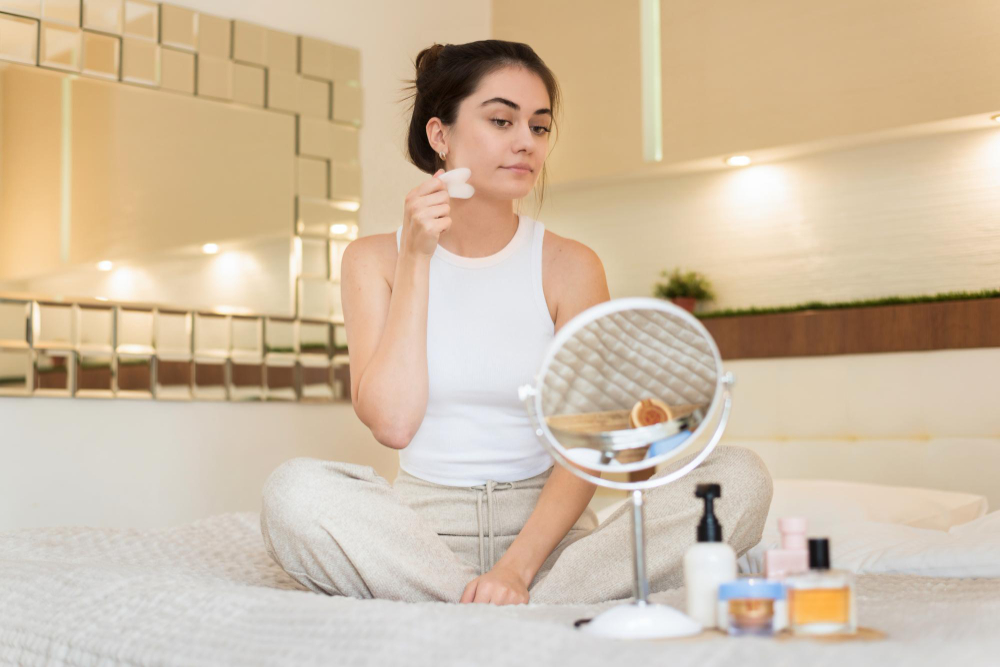
Your skin does not need a long list of products to look healthy. But choosing products that suit your skin type, concerns, and daily routine can make a real difference.
With so many cleansers, moisturizers, serums, sunscreens, and treatments available, it can be difficult to know what you actually need. A simple routine built around the right products is often a better place to start.
Start With Your Skin Type
Before choosing a product, understand how your skin usually behaves.
- Dry skin may feel tight, rough, or flaky and may benefit from richer moisturizing products.
- Oily skin may look shiny and be more prone to clogged pores. Lightweight, non-comedogenic products may be more suitable.
- Combination skin may be oily in some areas and dry in others.
- Sensitive skin may react easily to fragrances, certain ingredients, or new products.
Your skin can also change with weather, age, hormones, and other factors, so the products that worked well for you before may not always be the right choice.
Choose a Gentle Cleanser
Cleansing helps remove sweat, oil, dirt, and sunscreen from the skin.
Look for a cleanser that cleans without leaving your skin feeling excessively dry or tight. If your skin is sensitive or dry, a gentle, fragrance-free option may be more comfortable.
You do not need to scrub your face aggressively to get it clean. Over-cleansing or harsh scrubbing can irritate the skin.
Do Not Skip Moisturizer
Moisturizer is useful even if you have oily skin.
A suitable moisturizer helps maintain the skin barrier and can reduce dryness and discomfort. If you have oily or acne-prone skin, look for lightweight, non-comedogenic formulations. Dry skin may benefit from a richer cream.
Apply moisturizer after cleansing, particularly when your skin is slightly damp.
Make Sunscreen a Daily Habit
If there is one skincare product that deserves a regular place in your routine, it is sunscreen.
Sun exposure can contribute to premature skin aging and increase the risk of skin cancer. Choose a broad-spectrum sunscreen with an SPF of 30 or higher and apply it to exposed skin when you are going outdoors.
Remember to reapply as needed, particularly after sweating or swimming.
Sunscreen is not only for beach days. Everyday exposure adds up too.
Be Careful With Active Ingredients
Products containing ingredients such as salicylic acid, retinoids, vitamin C, or other active ingredients can be useful for specific skin concerns. But more active ingredients do not necessarily mean better results.
Using several strong products together can sometimes cause dryness, irritation, or sensitivity.
If you are introducing a new active ingredient, start gradually and follow the product instructions. If you have a skin condition or are unsure which ingredient is appropriate, speak with a dermatologist or pharmacist.
Fragrance-Free May Be Better for Sensitive Skin
Fragrance can make a product smell pleasant, but it can also irritate some people’s skin.
If you have sensitive skin, redness, or frequent irritation, consider choosing fragrance-free products and introducing new products one at a time.
If a product causes burning, swelling, significant redness, or a rash, stop using it and seek medical advice if the reaction is severe or does not settle.
Do Not Choose Products Only Because They Are Trending
A product that works well for someone else may not work the same way for you.
Social media trends can make certain ingredients or products seem essential, but skincare is not one-size-fits-all. Consider your skin type, the concern you are trying to address, and the ingredients in the product before adding it to your routine.
You also do not need an expensive product to have a good skincare routine.
Keep Your Routine Simple
For many people, a basic routine can include:
Morning
- Gentle cleanser
- Moisturiser
- Sunscreen
Night
- Gentle cleanser
- Treatment product, if needed
- Moisturiser
You can add products based on a specific concern, but there is no need to use several products simply because they are available.
Check the Label Before You Buy
Take a moment to read the product label before adding anything to your skincare routine.
Check the ingredients, directions for use, expiry date, and any warnings. If you have known allergies or sensitive skin, pay particular attention to the ingredients.
If you are already using prescription skin treatments, check with your doctor or pharmacist before adding new active products.
When Skincare Needs Professional Advice
Not every skin concern can be solved with an over-the-counter product.
Persistent acne, severe dryness, recurring rashes, unexplained pigmentation, swelling, painful skin, or a reaction that does not improve may need professional evaluation.
Instead of continuing to try different products, identifying the cause of the problem can help you choose the right treatment.
Healthy Skin Is About More Than Products
Good skincare is not about having the biggest collection of products. It is about choosing what your skin actually needs and using it consistently.
A gentle cleanser, suitable moisturizer, and daily sunscreen can form the foundation of a simple routine. From there, additional products can be chosen based on your individual concerns.
The best skincare routine is not the one with the most products. It is the one that suits your skin and that you can follow every day.