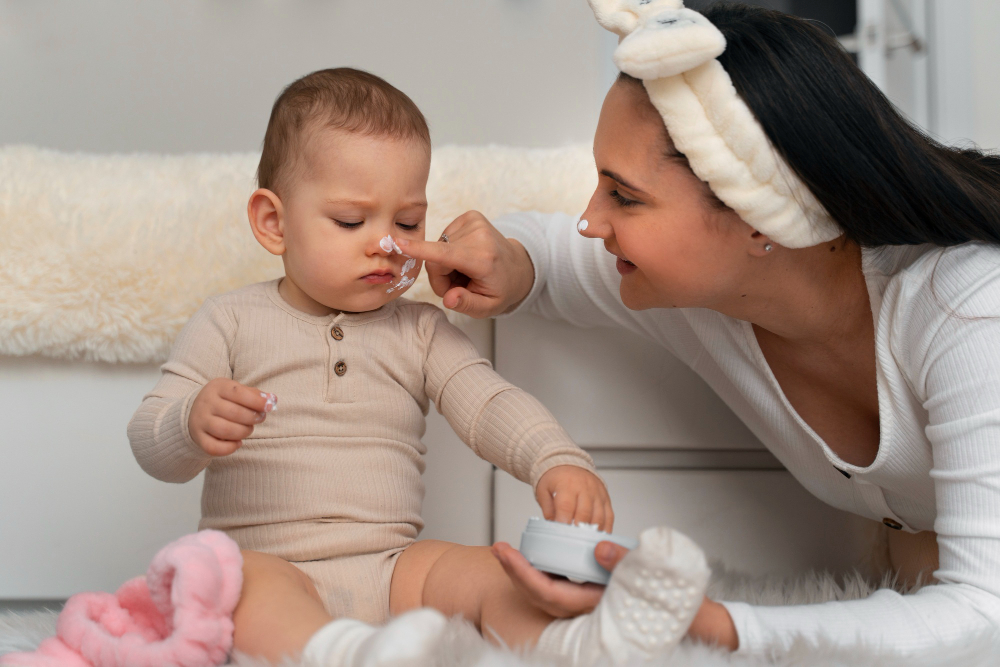
A baby’s skin requires special attention during the early months and years of life. For parents, understanding how to care for their baby’s skin is an important part of supporting overall health and comfort. Because infant skin is thinner and more delicate than adult skin, it can be more easily affected by environmental factors, moisture loss, and everyday irritants.
Many parents encounter common skin concerns such as dry or flaky skin, diaper rash, heat rash, and cradle cap during infancy. While these issues are often temporary, gentle skincare practices can help support healthy skin development from the start.
The Foundation of Healthy Baby Skin
Baby skin differs from adult skin in several ways. It contains less natural moisture and has a less mature protective layer, making it more vulnerable to environmental changes such as heat, humidity, cold weather, and dry indoor air.
During the first few months of life, a baby’s skin gradually adapts to the external environment, which may lead to dryness, peeling, or other temporary skin changes.
Gentle Cleansing for Healthy Skin
Keeping a baby’s skin clean is important, but excessive bathing can remove natural oils and contribute to dryness. Most infants do not require daily baths during the early months. Short baths using lukewarm water and mild, fragrance-free cleansers are usually sufficient.
Harsh soaps and products containing strong fragrances or alcohol should be avoided. After bathing, gently pat the skin dry rather than rubbing it with a towel.
A simple cleansing routine helps maintain comfort while supporting healthy skin function.
Maintaining Skin Hydration
Moisturising plays an important role in preventing dryness and maintaining overall skin health. Applying a gentle, baby-friendly moisturiser soon after bathing can help retain moisture and keep the skin soft.
Dry skin is particularly common during colder months or in air-conditioned environments. Regular moisturisation may help reduce flaking, roughness, and discomfort. Parents should choose products specifically formulated for infants and free from unnecessary additives.
Preventing and Managing Diaper Rash
Diaper rash is one of the most common skin concerns during infancy. Prolonged exposure to moisture, friction, urine, and stool can affect the skin in the diaper area, resulting in redness and discomfort.
Frequent diaper changes are one of the most effective ways to reduce the risk of diaper rash. Allowing the area to air dry when possible and using protective barrier creams may also help. If a rash persists, worsens, or shows signs of infection, medical evaluation may be necessary.
Choosing Appropriate Skincare Products
Not all skincare products marketed for babies are equally suitable for everyday use. Products with fewer ingredients are often preferred because they reduce unnecessary exposure to potential irritants.
Fragrance-free and hypoallergenic formulations are often preferred, particularly for infants with a family history of allergies or eczema. When introducing a new product, parents should observe the skin for any unexpected reactions.
Careful product selection can help support healthy skin throughout infancy.
Protecting Baby Skin from Sun Exposure
Baby skin is particularly vulnerable to ultraviolet (UV) radiation. Excessive sun exposure can increase the risk of sunburn and long-term skin damage.
For infants younger than six months, keeping them in the shade and dressing them in lightweight protective clothing are generally recommended. For older babies, sunscreen may be used according to age-appropriate recommendations and guidance from a healthcare professional.
Developing good sun protection habits early can contribute to long-term skin health.
Recognising Common Skin Conditions
Many newborns and infants experience temporary skin conditions that are generally harmless. These may include cradle cap, baby acne, heat rash, and mild dryness.
Although most of these conditions improve without treatment, persistent symptoms, widespread rashes, signs of infection, or significant discomfort should be evaluated by a paediatrician or dermatologist. Early assessment can help identify underlying concerns and guide appropriate care.
Supporting Healthy Skin During Early Childhood
Healthy baby skin depends on consistent daily care. Gentle cleansing, regular moisturising, timely diaper changes, sun protection, and appropriate product selection can help support normal skin development.
Persistent rashes, severe dryness, or signs of infection should be assessed by a healthcare professional to ensure appropriate care. Early attention to skin health can help keep a baby’s skin healthy and comfortable as it continues to develop.